Emotions can be difficult to put into words
A feeling may be clear while its name and meaning and context remain difficult to identify
Talk Emotions is a one-month guided workbook for naming emotions and recording how events and thoughts and feelings connect It can support continuity across counselling centres and healthcare settings as well as elementary and middle school after-school activities and university student programmes
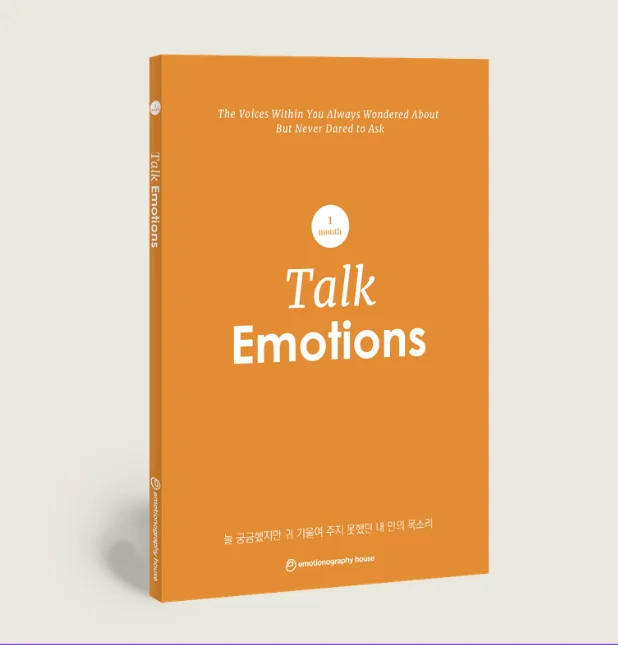
A feeling may be clear while its name and meaning and context remain difficult to identify
Events and thoughts and emotional shifts can be hard to recall by the time the next conversation begins
Without a record there are fewer clues for noticing recurring moments and changing responses together
Rather than prescribing an answer the diary helps people observe their experience and name emotions and keep a record they can bring into the next conversation
Look back on recent patterns and note what you hope may change
Move from a vague feeling towards more precise words
Connect events and thoughts and the feelings that followed
Use a short reading and question to capture the present moment
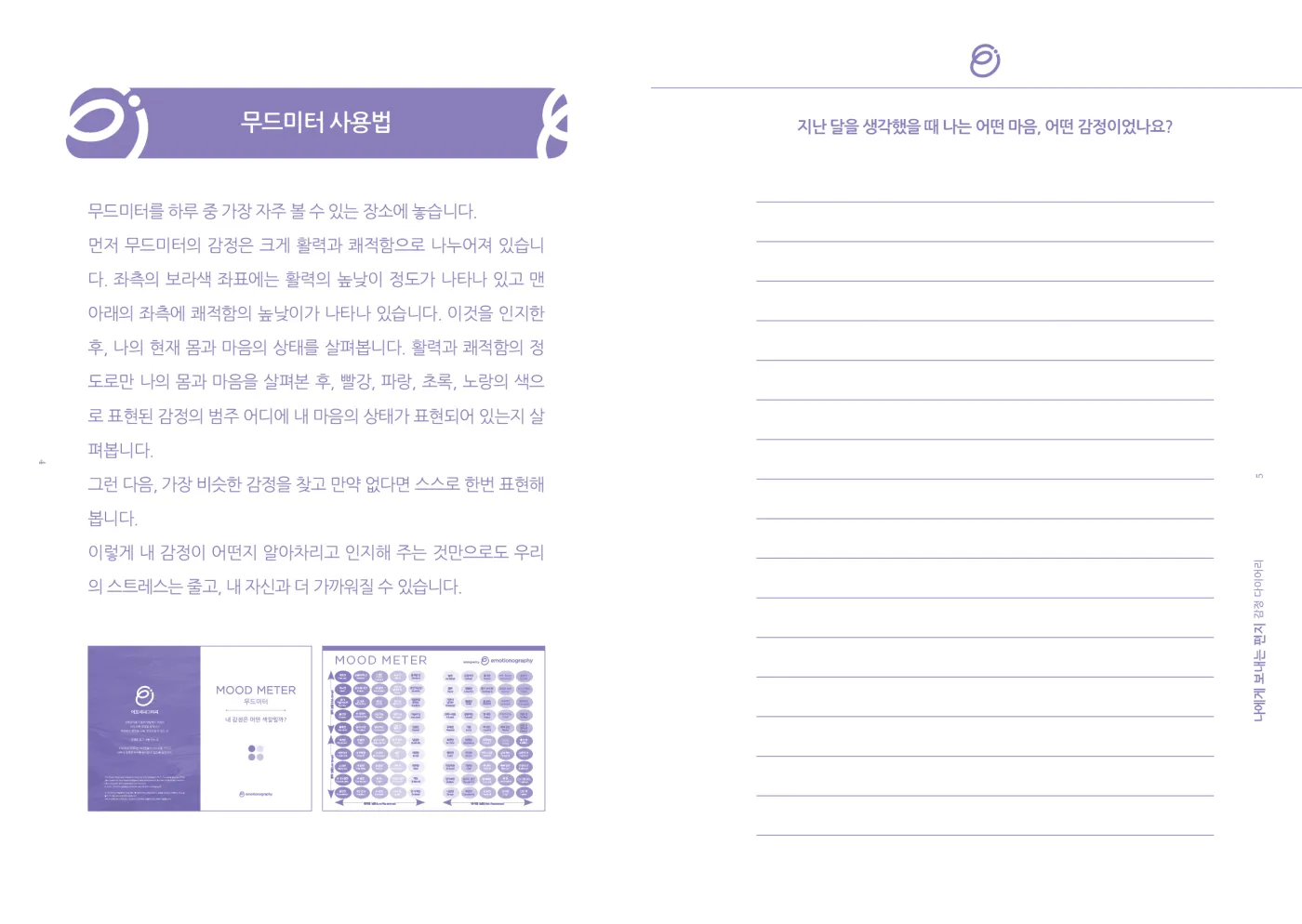
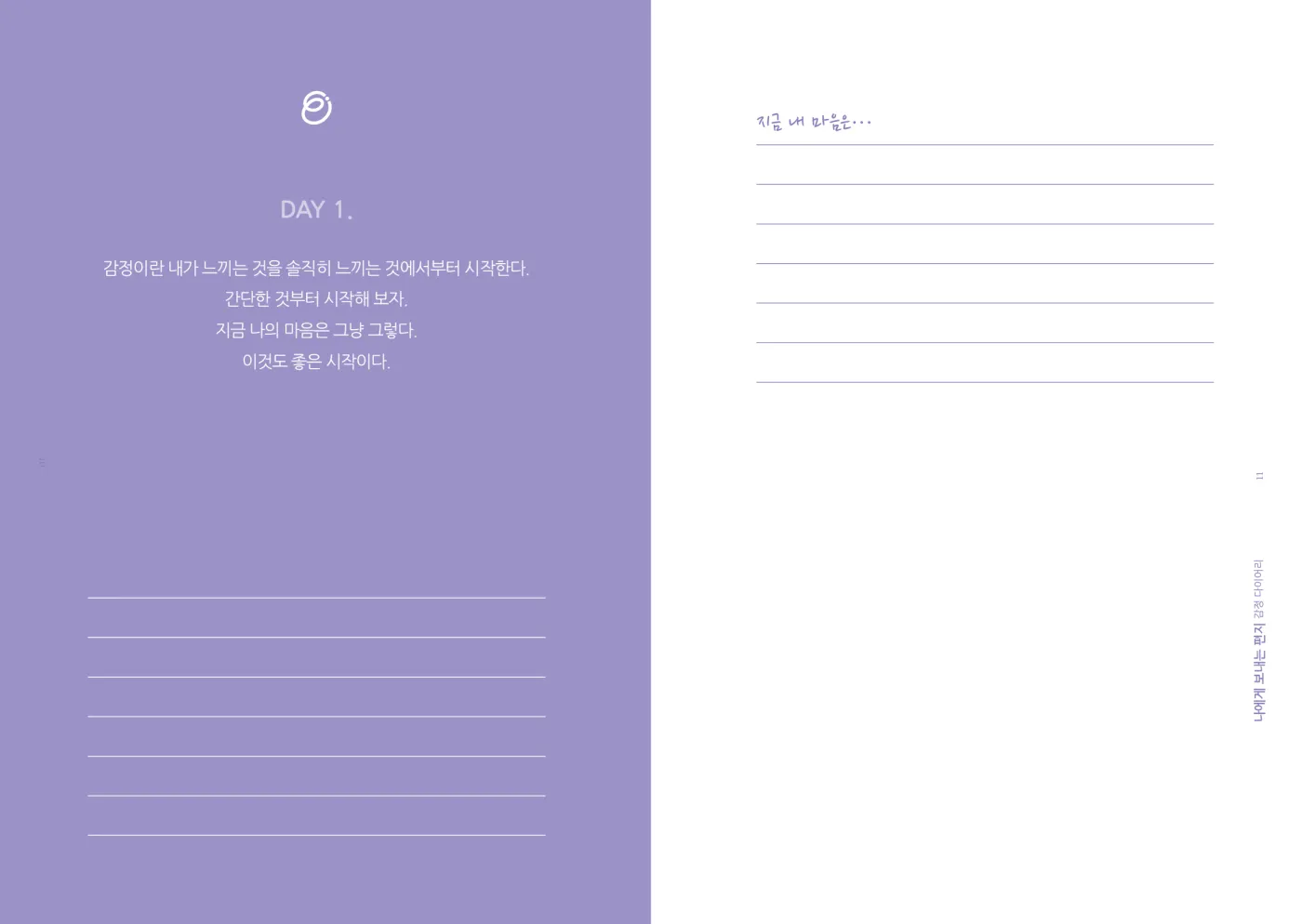
It does not replace a professional conversation It helps people prepare for it and preserve context between meetings
Recall recent events and feelings then organize what may be useful to discuss
Record shifts and recurring moments while they are still part of everyday life
Use the record to look more closely at emotional language and the shape of an experience
Talk Emotions does not replace diagnosis or treatment It is a supporting tool for emotional awareness and reflection and professional conversation
The way a record is introduced and reviewed can be adjusted around each organization’s professional scope and purpose
Optional records before a first conversation and context between visits
Reflection around sessions and group counselling and guided workshops
Personal reflection on stress and daily context and changes between visits
After-school emotional literacy and private small-group reflection
Student wellbeing programmes and workshops and personal reflection
Preparation for support conversations and programme reflection
Diary supply can include educator training delivered in person or online with a practical teaching-guide booklet shaped around the institution’s schedule and safeguarding standards


An after-school programme that helps elementary and middle school students expand emotional vocabulary and describe the links between everyday events and thoughts and feelings in their own words
A university and college programme that helps students reflect on emotions around study and relationships and career decisions and transitions then identify the support they may need
Student records remain personal Disclosure or group sharing is never a requirement Safeguarding and family information or consent for minors as well as crisis response and referrals follow the institution’s existing policies and professional pathways These programmes do not replace diagnosis or treatment
Discuss a school or university programmeTell us the intended use and estimated quantity We will explain the supply routes and conditions currently available
Use and distribute the quantity your organization needs
Configuration · quantity · lead time · payment · deliveryReview display and sale and operating terms together
Supply · settlement · inventory · returnsUse the diary within school and university and care or education programmes
Content · scope of use · schedule · responsibilitiesPlan around an academic term or quarter or operating cycle
Cycle · quantity · lead time · payment · deliveryPricing and minimum quantity and lead time as well as consignment and tailored configurations are confirmed individually against current conditions
Organizations that adopt Talk Emotions or partner with Emotionography receive priority information about related education and care and programme opportunities subject to the agreed scope
Discuss educator training and emotional-literacy sessions in person or online or with a practical guide booklet
Once we understand the people you serve and the need involved we review available counselling and coaching and professional connections first
Receive early information about new emotional learning and reflection programmes as well as pilots and co-design opportunities
Review a joined-up approach across diary supply and education and content and care connections around your schedule and purpose
The availability and timing of priority benefits are confirmed individually according to the partnership scope and organizational purpose and programme conditions
Ask about partnership scopeStart by looking through the product structure and reflection format
Confirm who will use it and where it will be used and what it should support
Clarify responsibilities and the conditions needed for practical delivery
Receive the materials and delivery schedule based on the agreed route
We publish only after confirming copyright and trademarks and the permitted scope of use
We collect only what the purpose requires and state what is retained and for how long
We explain the role and limits of workbooks and self-report tools before use
We distinguish intended users and limits of interpretation and provider responsibilities

April Hur leads Emotionography’s research direction and content standards and service strategy as well as partnerships with professionals and organizations
It may be considered wherever reflection records support conversations or programmes in counselling and healthcare and education and coaching or community care We review the purpose and setting before outlining an appropriate scope
Use the enquiry form below to tell us your organization type and intended use We will reply by email with the sample material and current supply information available
Terms may vary by quantity and product configuration and lead time and delivery method Share an estimated quantity and we will outline the current conditions individually
Where on-site display and sale are useful we review supply and settlement and inventory terms together Availability is confirmed for each organization
We provide priority information about talks and workshops and counselling and professional connections as well as new programmes and co-design opportunities The actual scope is agreed for each partnership
Yes We review the age group and cohort size and number of sessions as well as the purpose of the after-school or enrichment or school counselling setting then discuss a suitable combination of diaries and emotional language activities and workshops Disclosure or group sharing is not required
Yes Diary supply and talks and small-group workshops and private reflection can be reviewed around the academic calendar and the goals of campus counselling and student support and first-year transition or career programmes
Training for school and institutional staff can be arranged in person or online with a practical guide booklet for day-to-day delivery
Programme integration and tailored configurations are reviewed against the purpose and schedule and quantity and intended scope of use
No Talk Emotions supports emotional awareness and reflection and professional conversation It does not replace diagnosis or treatment
Tell us your organization type and intended use and estimated quantity Schools can include the age group and after-school format while universities can include the department and academic schedule We will confirm the supply and programme options currently available
Email emotionography@my-emo.com
Chat on KakaoTalkForm enquiries are sent to the email above and we reply within three business days